POLLICULTURE - Blurring Borders through Sustainable Landscape Strategies
P
O
L
L
I
C
U
L
T
U
R
E
Blurring Borders through Sustainable Landscape Strategies
About Us
At Polliculture, landscape architecture is viewed as a critical link between human habitats and environmental ecosystems. Beyond the aesthetic curation of urban greenery, our practice integrates site planning, environmental systems, and stormwater engineering to create responsive, resilient landscapes.
Landscape Architecture is a multi-disciplinary field that goes beyond the selection of shrubs and trees in urban settings.
Drawing on over a decade of experience with leading international design firms and time spent in Rio de Janeiro, landscape architect Jun Tan is dedicated to exploring tropical landscapes through context-driven design and innovative solutions, integrating sustainable strategies and stormwater management systems. His work balances residential scales with broader environmental systems, continuously pursuing contextual and sustainable models of landscape design.
01 Design Ethos
Principles of Intervention
Ecology
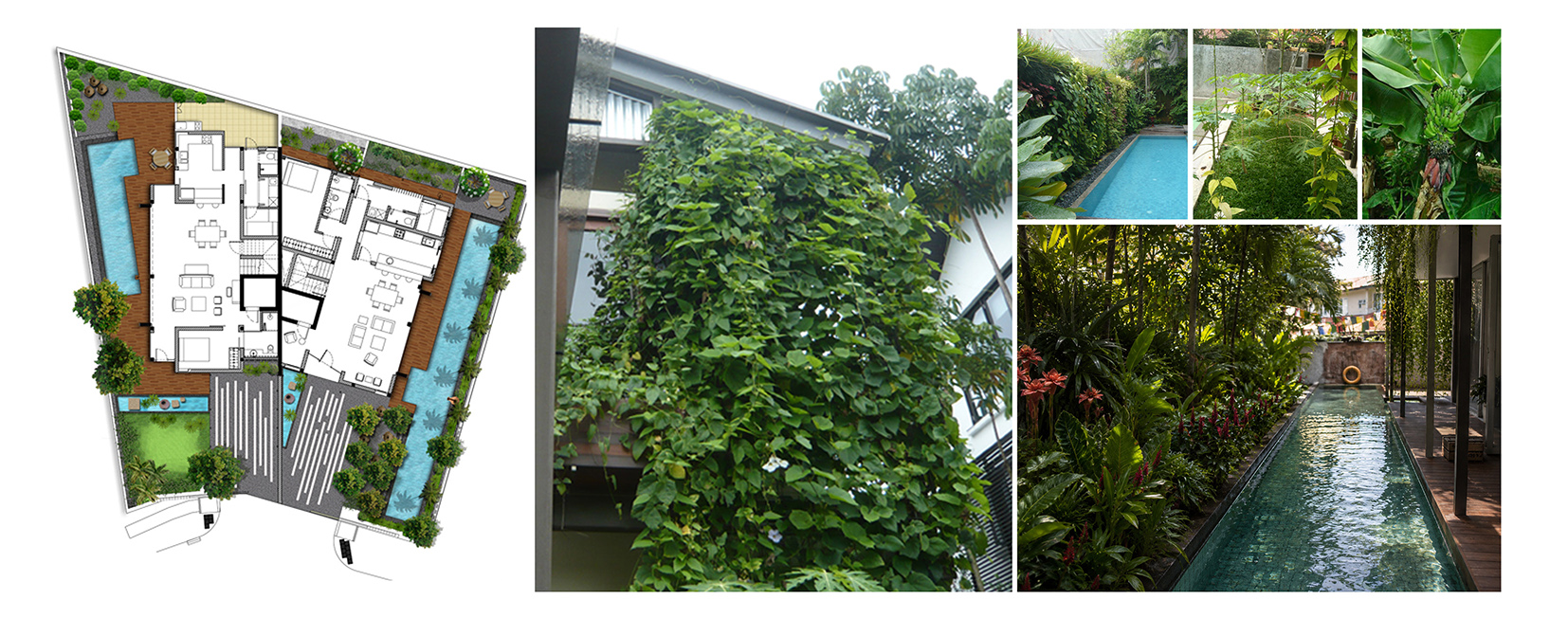
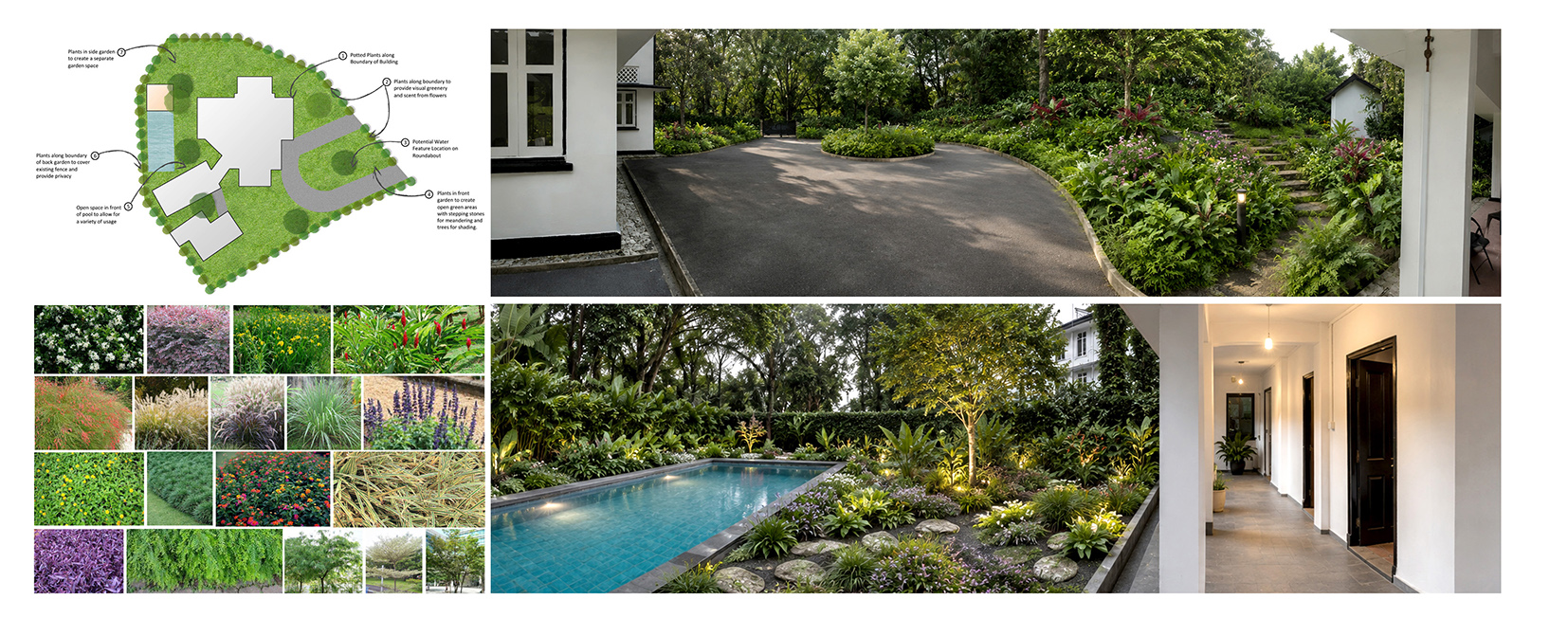
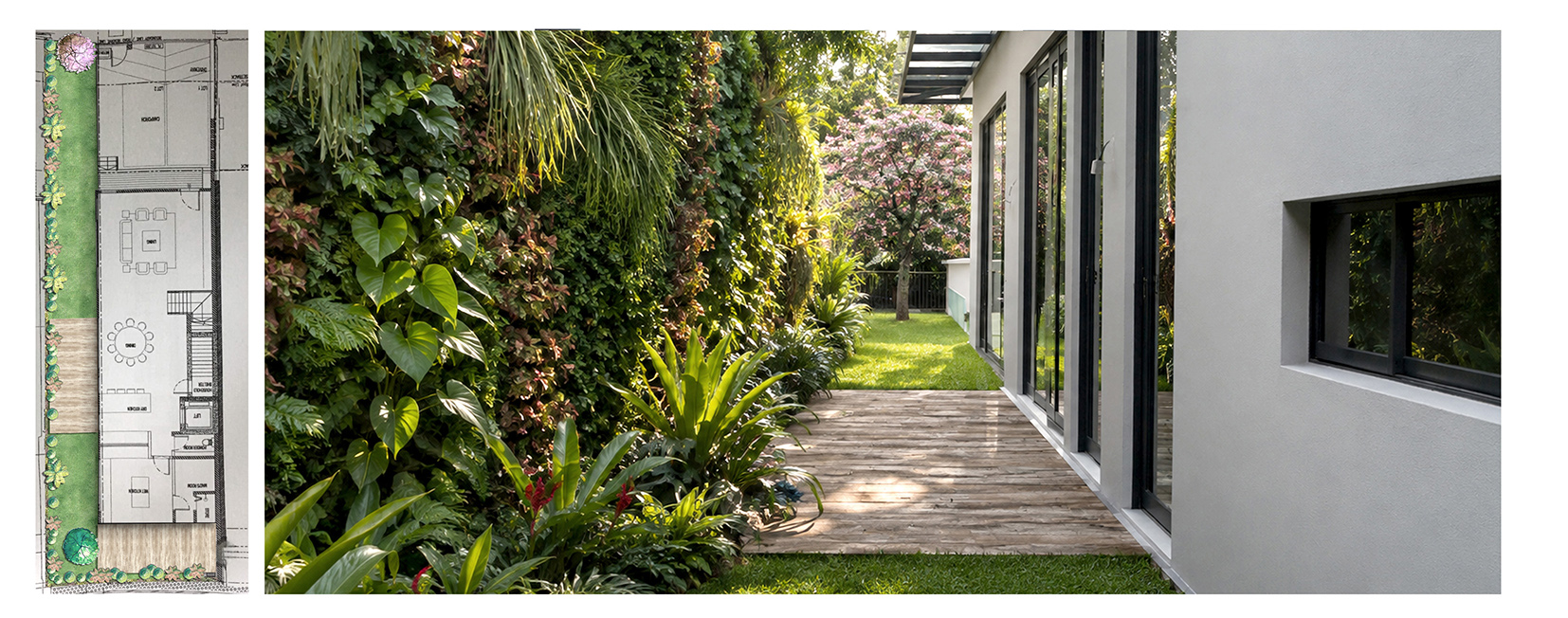
Prioritizing native and regionally appropriate flora to reinforce local biodiversity corridors, naturally minimizing on chemical interventions and heavy water requirements.
Resources
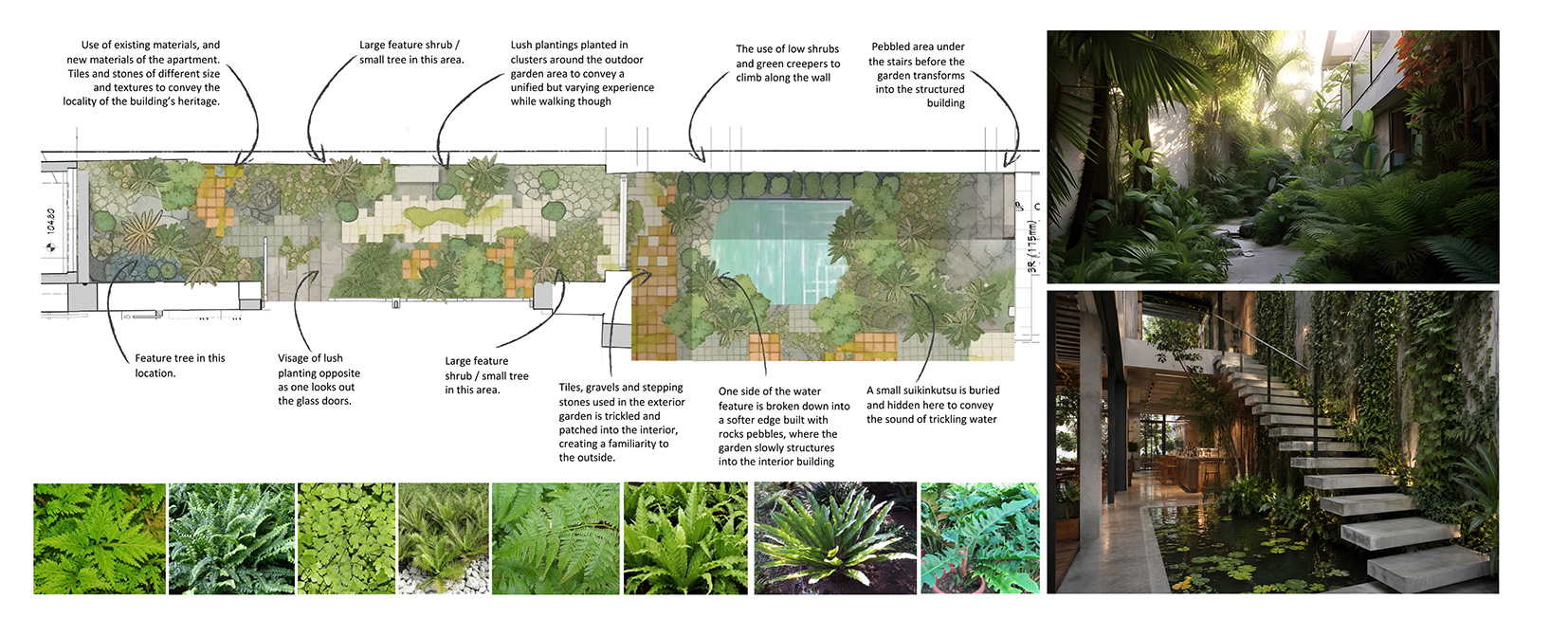
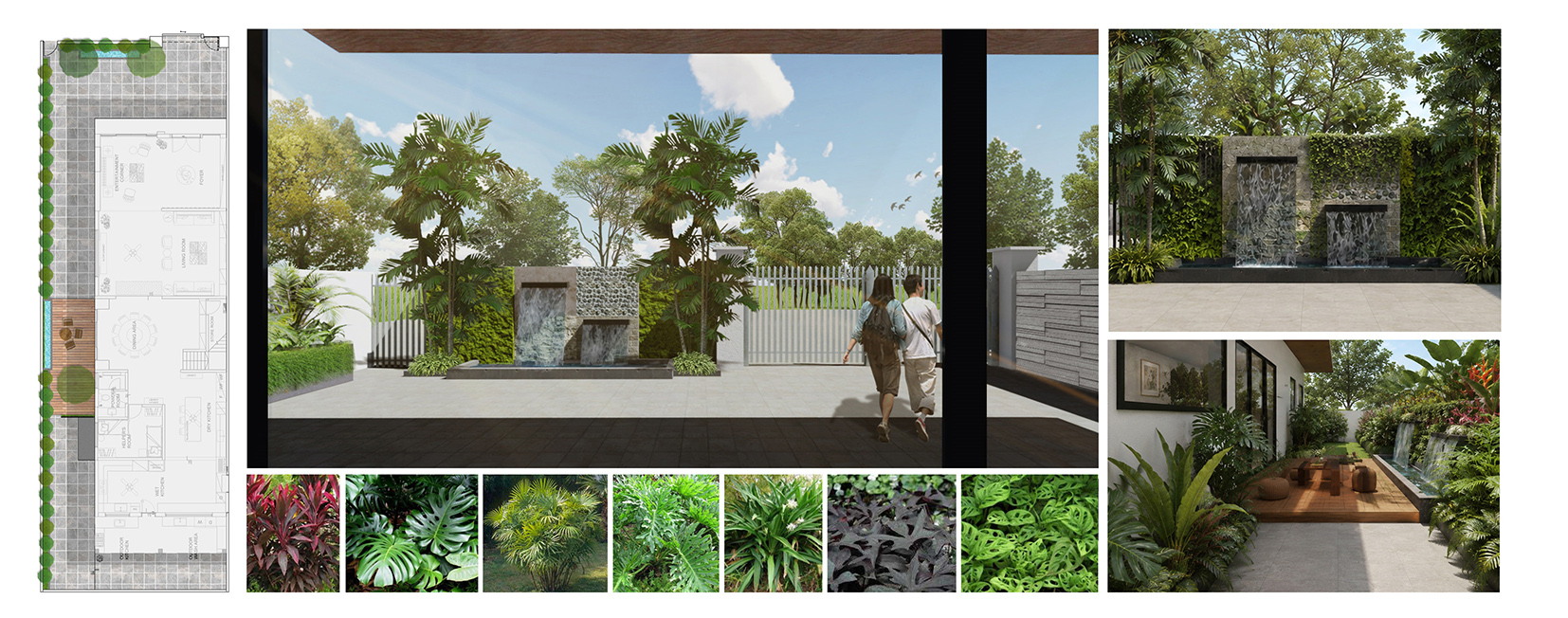
Using efficient water stewardship, low-impact sustainable materials, and smart automation systems, we mitigate climate factors like the urban heat island effect while ensuring architectural longevity.
By utilizing regionally appropriate vegetation, we minimize the need for excessive water consumption and chemical interventions, while promoting the well-being of local flora and fauna.
Community
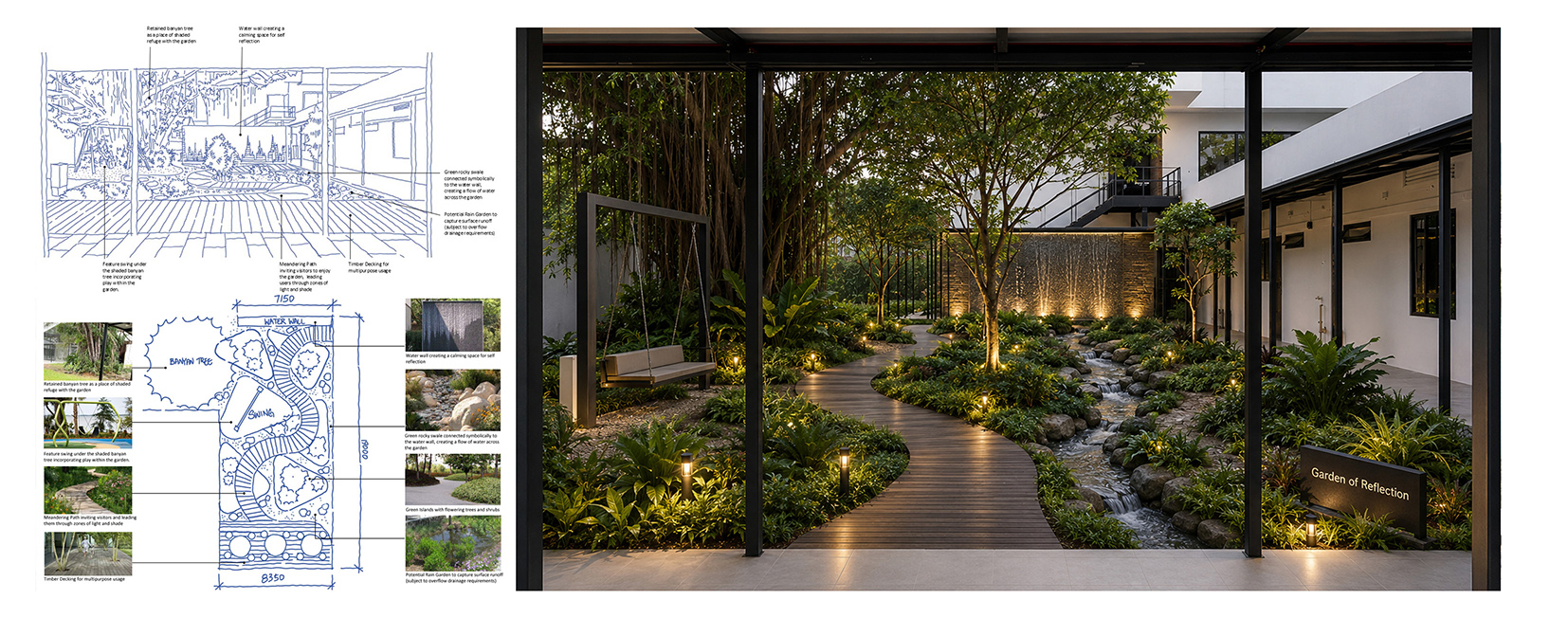
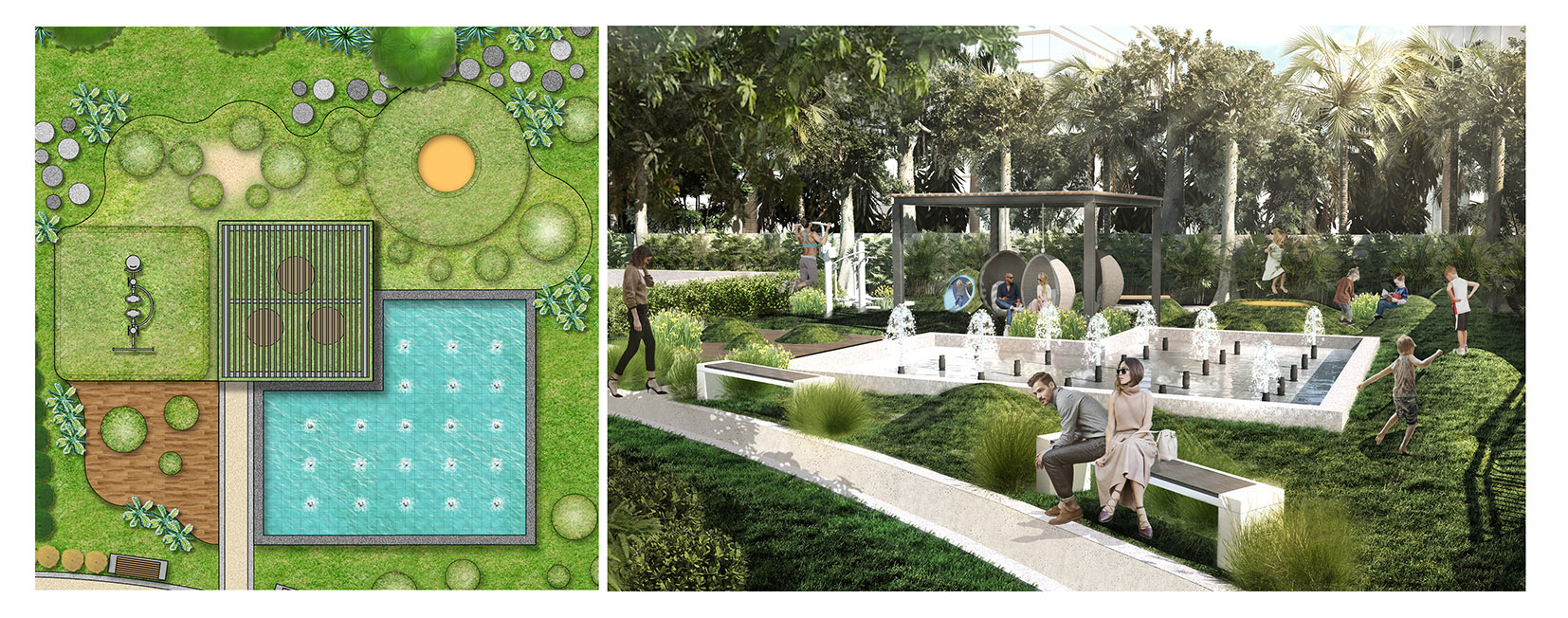
Designing usable urban spaces to cultivate environmental awareness, with accessible and visible ecological systems that seek to create tangible connections between key stakeholders, public communities, and the landscapes they inhabit.
02 Gallery
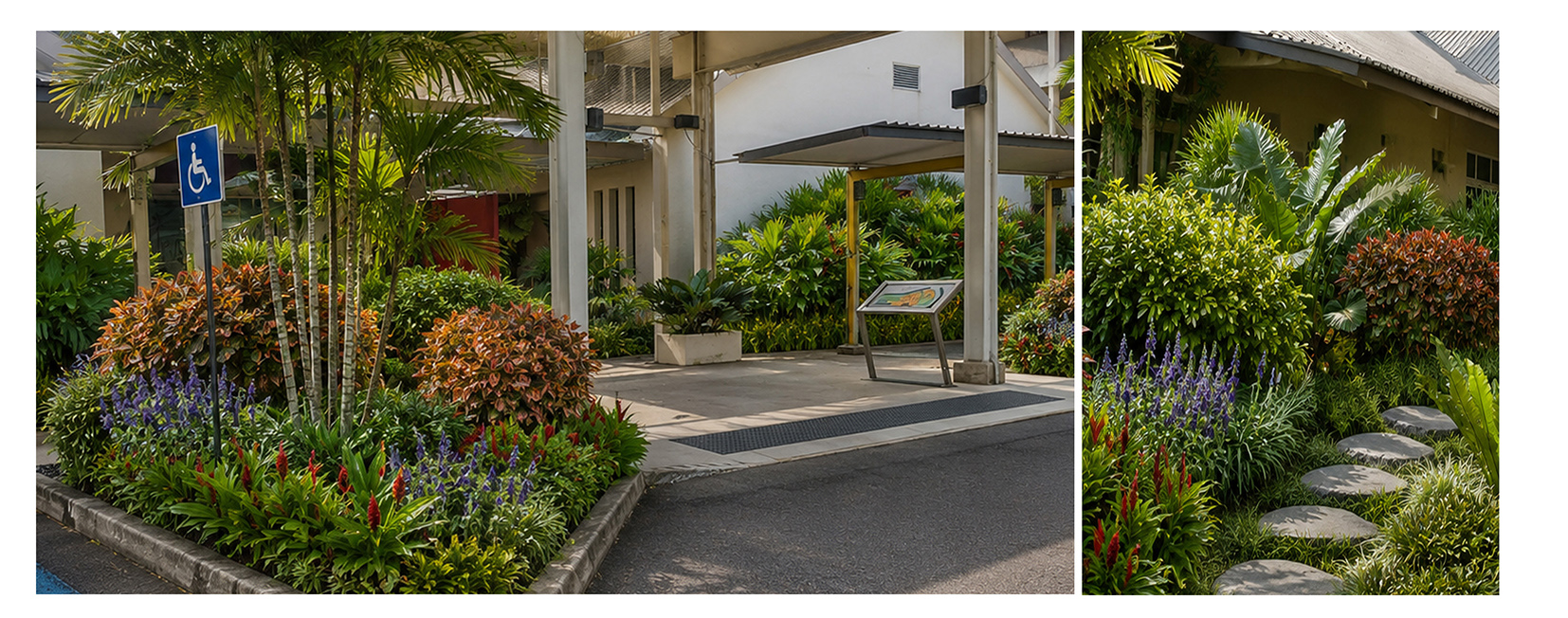
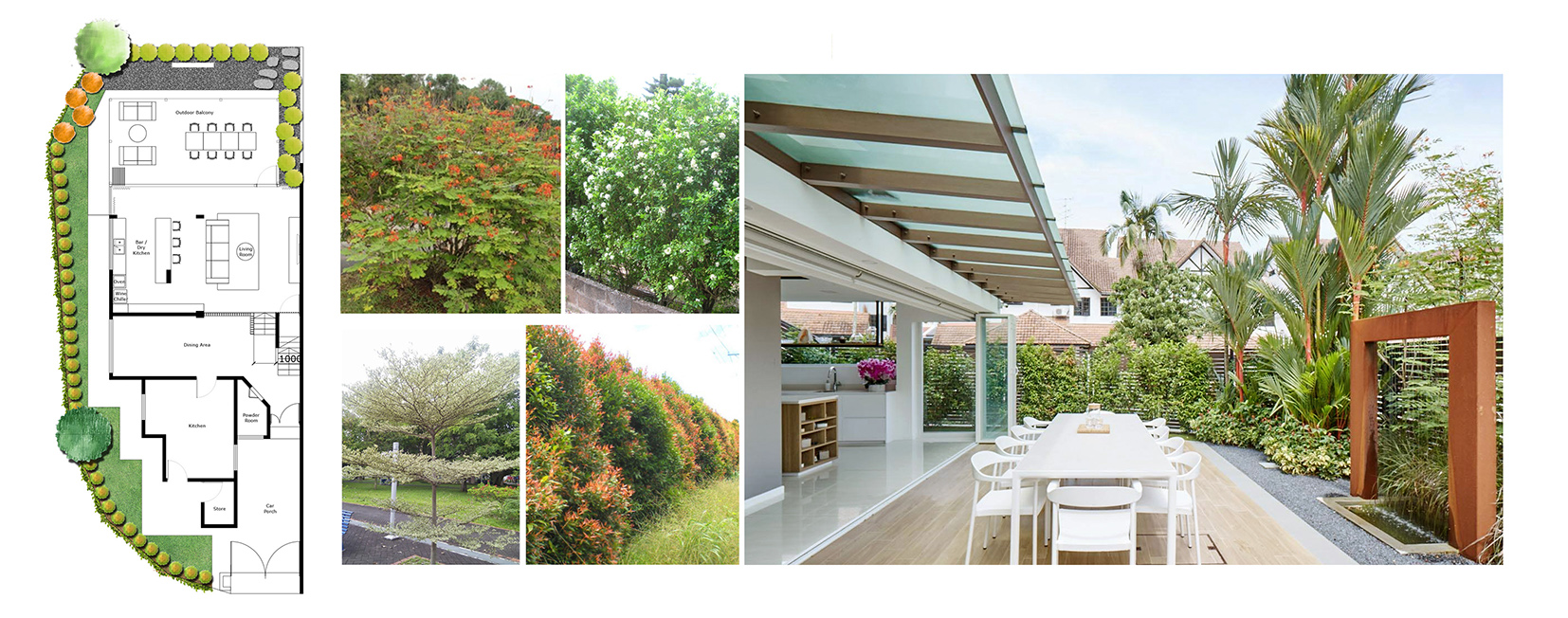
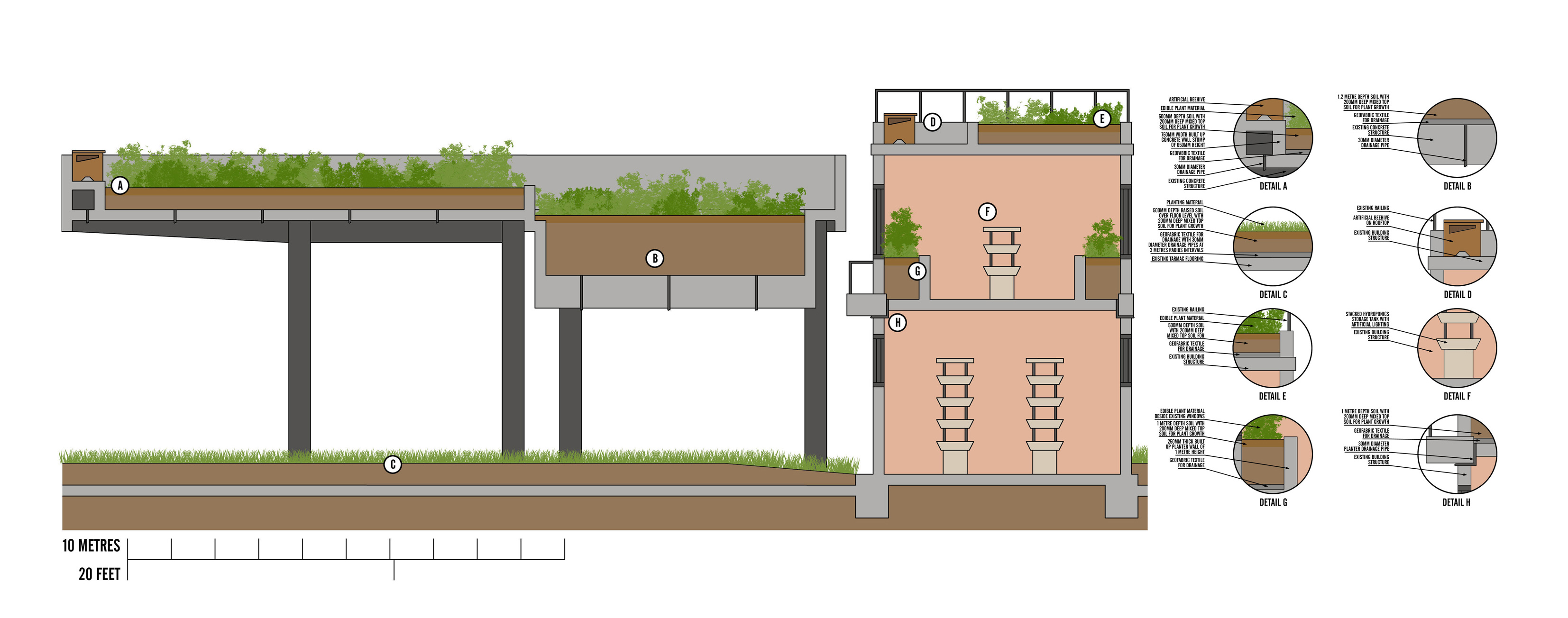
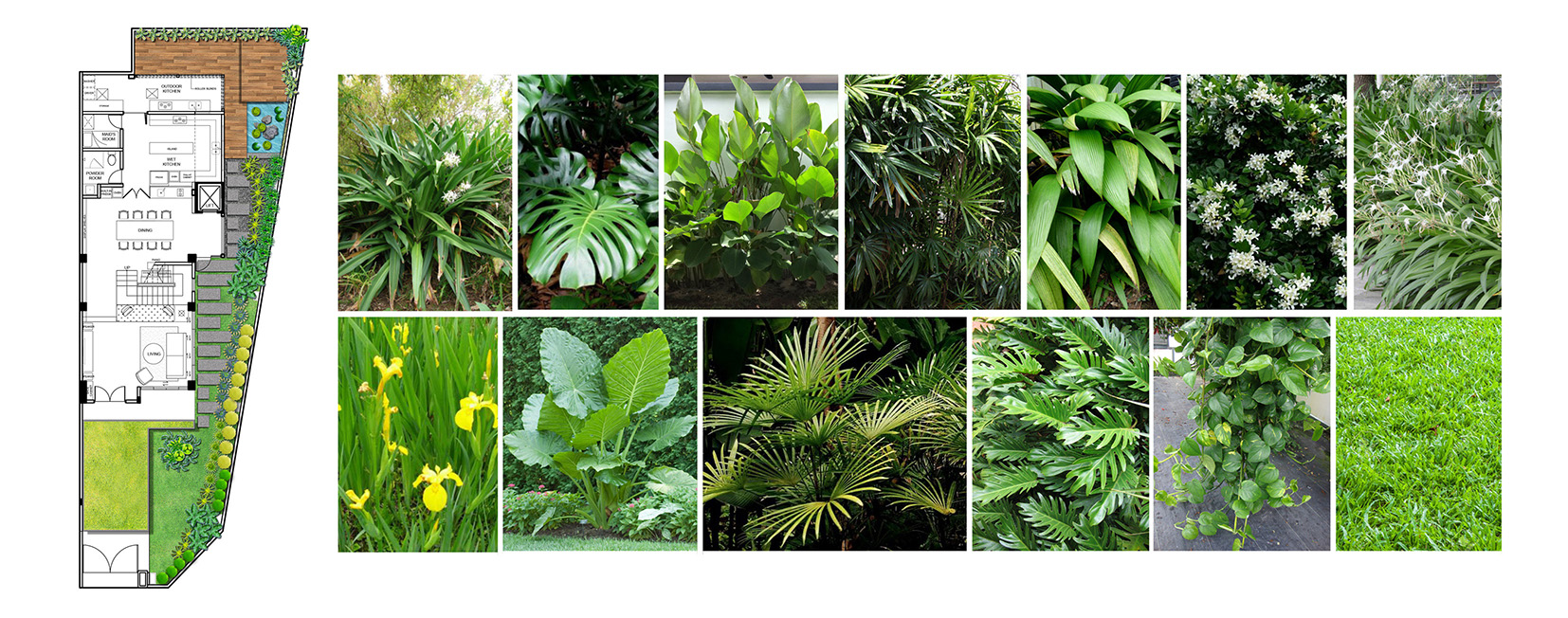
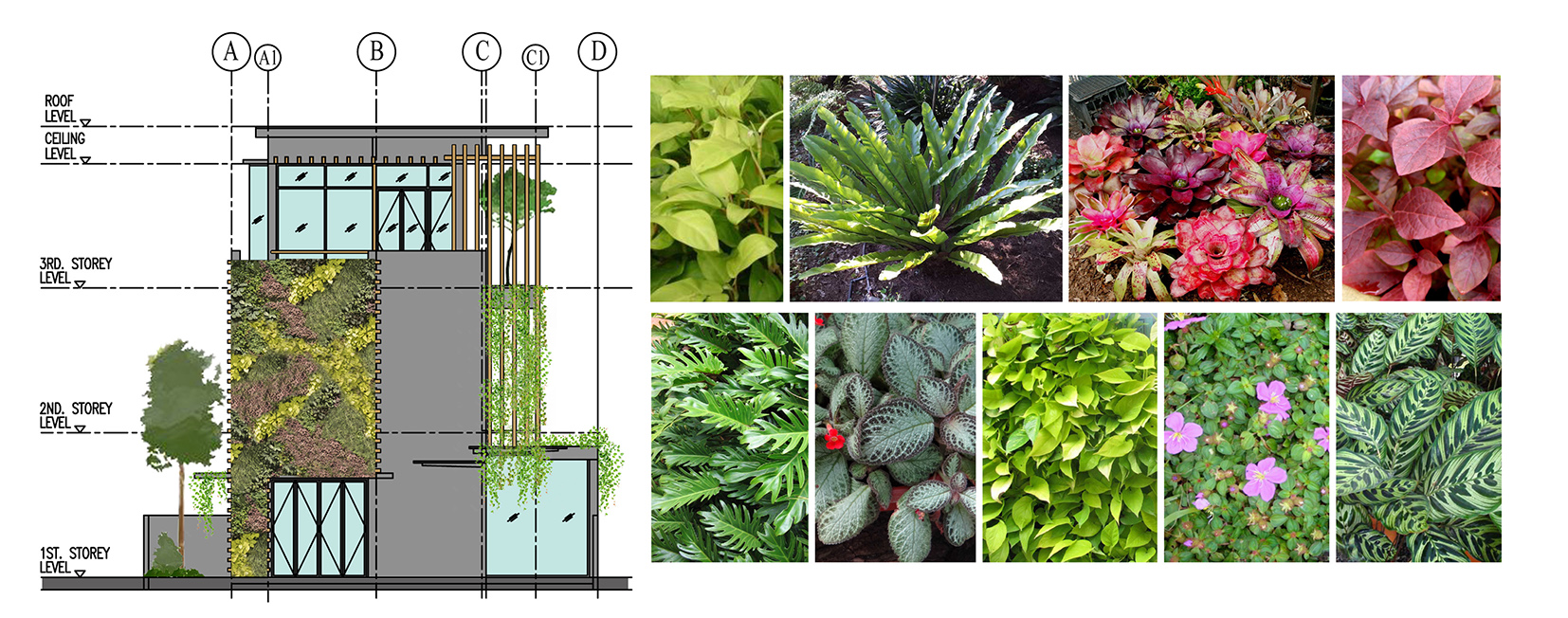
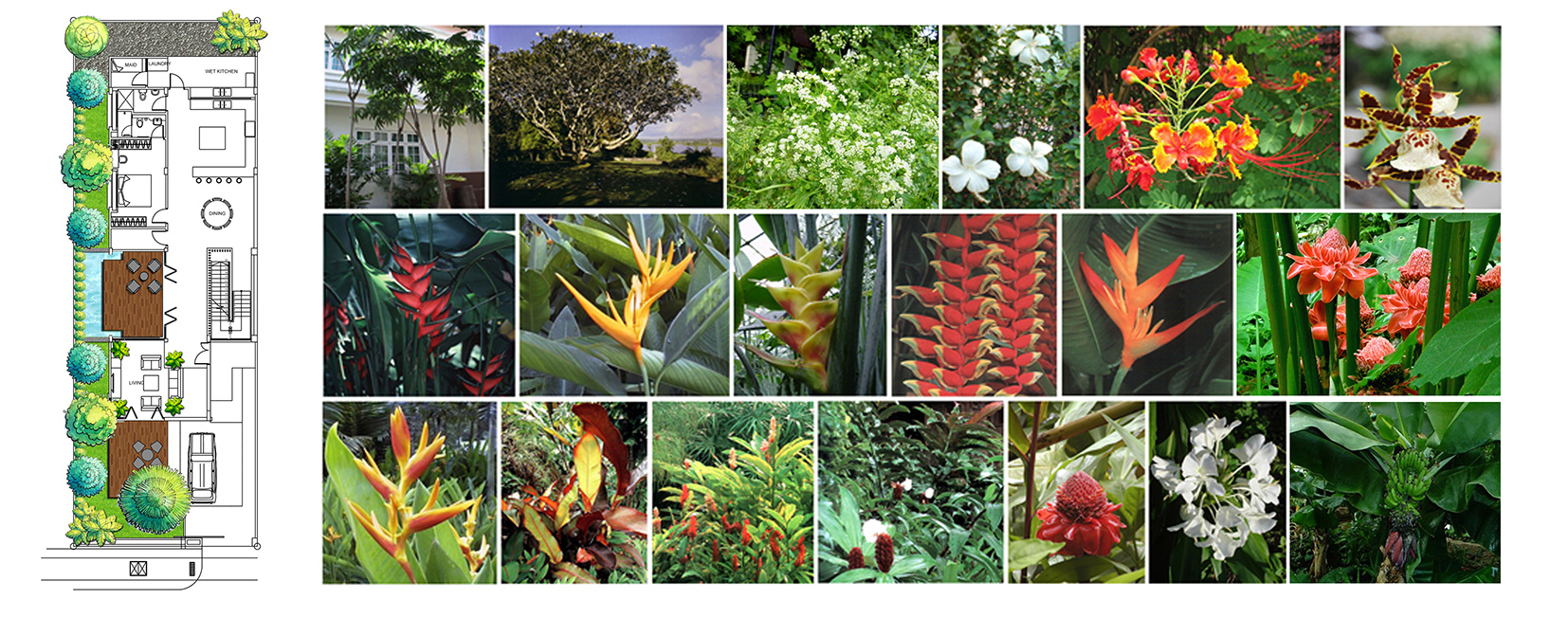
03 Landscape Design
Urban Resilience in Singapore
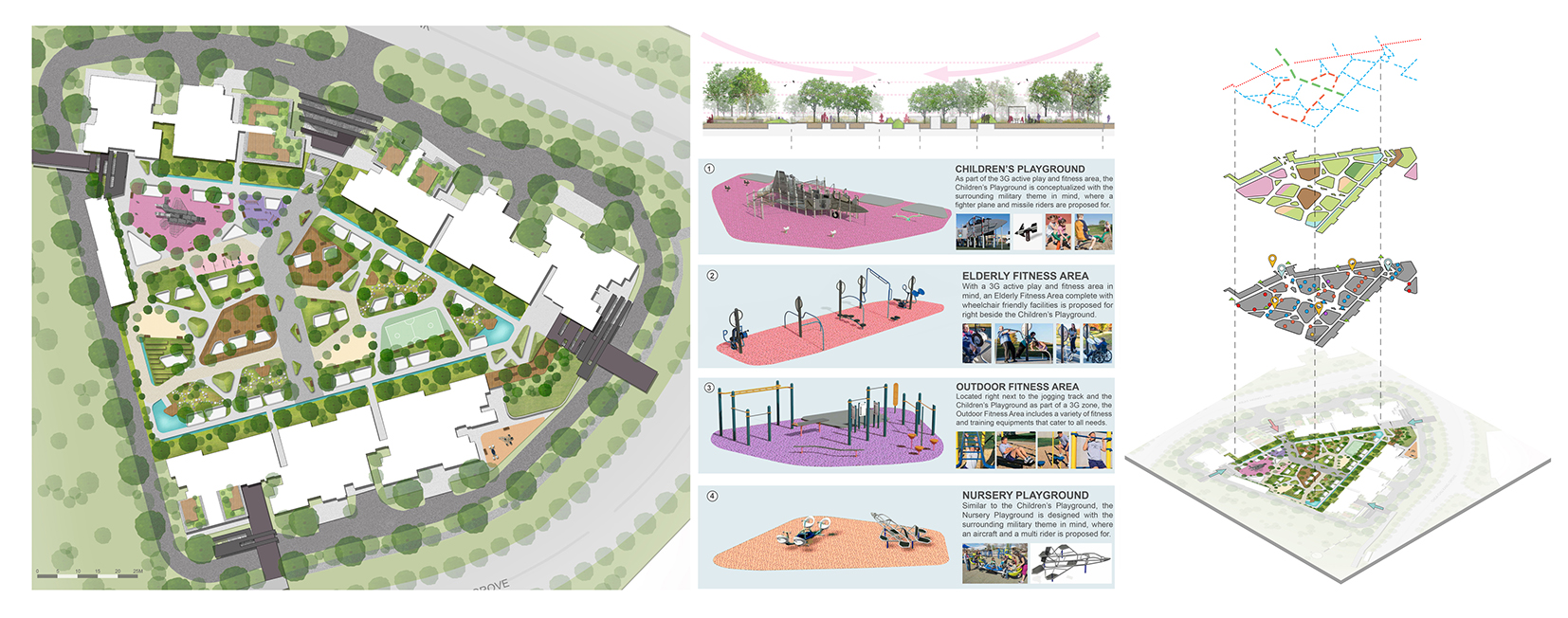
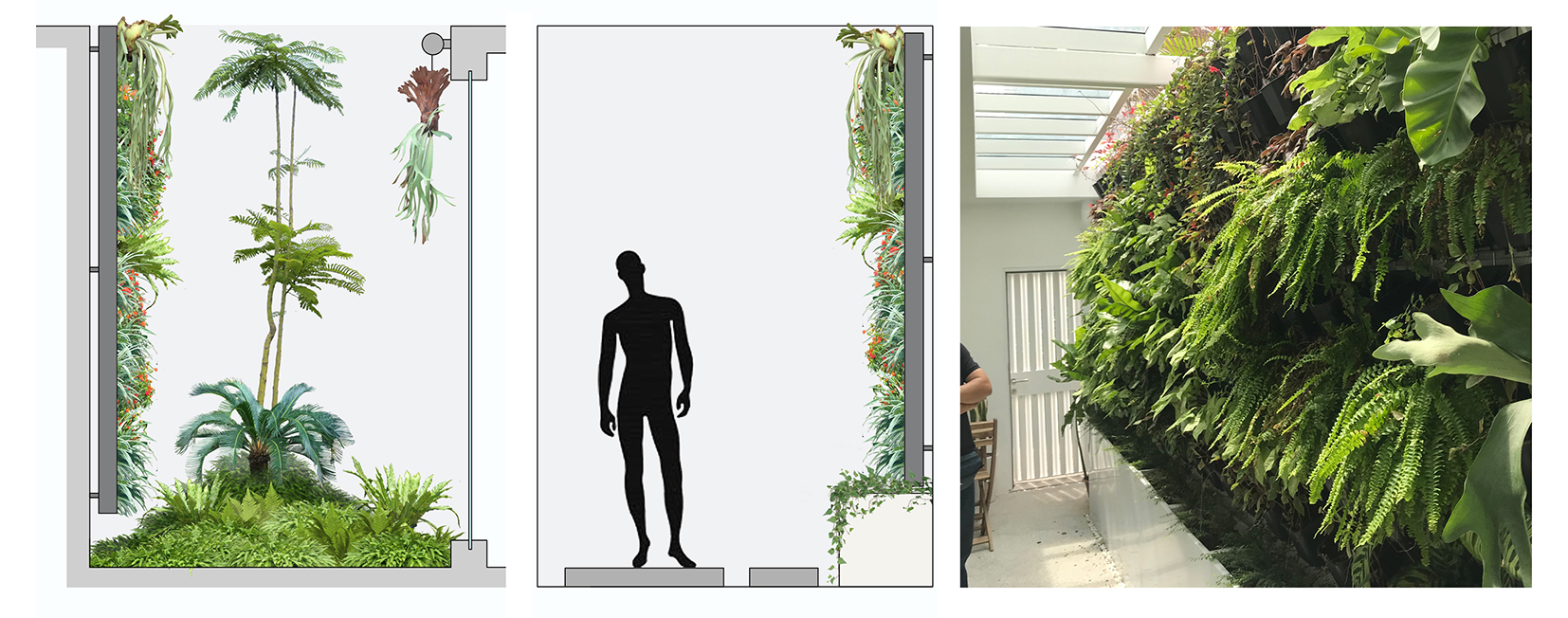
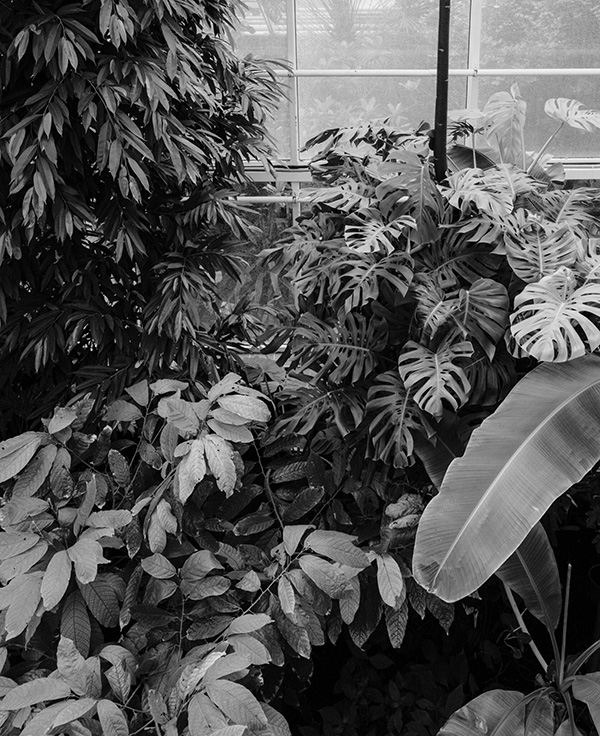
Singapore’s dense tropical climate presents significant challenges. Modern landscape architecture must function as soft infrastructure, combining green systems, permeable landscapes, and integrated water strategies to actively reduce heat, support biodiversity, and improve urban water resilience.
Landscape designs in Singapore must prioritise urban resilience to address environmental challenges.
Professional Consultation Assets
Engaging a dedicated landscape studio optimizes long-term asset performance. We offer seamless execution across critical development pillars:
1. Site Planning & Analysis: Contextual topography assessments, microclimate studies, and vegetation strategy mapping to inform design decisions.
2. Regulatory Compliance: Navigation of environmental regulations, planning requirements, and approval processes.
3. Project Lifecycle Management: Technical coordination, procurement support, and construction oversight from concept through to completion.
04 ABC Waters CONSULTANCY
Active, Beautiful, Clean
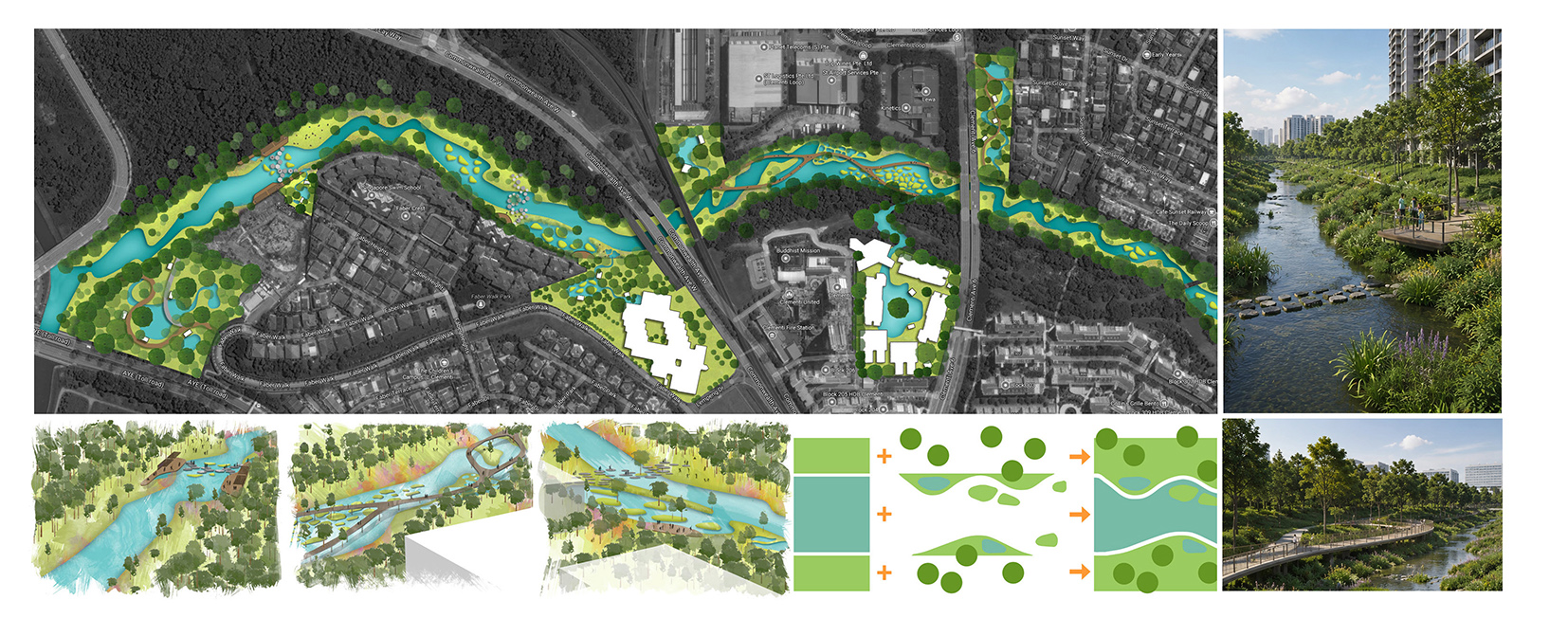
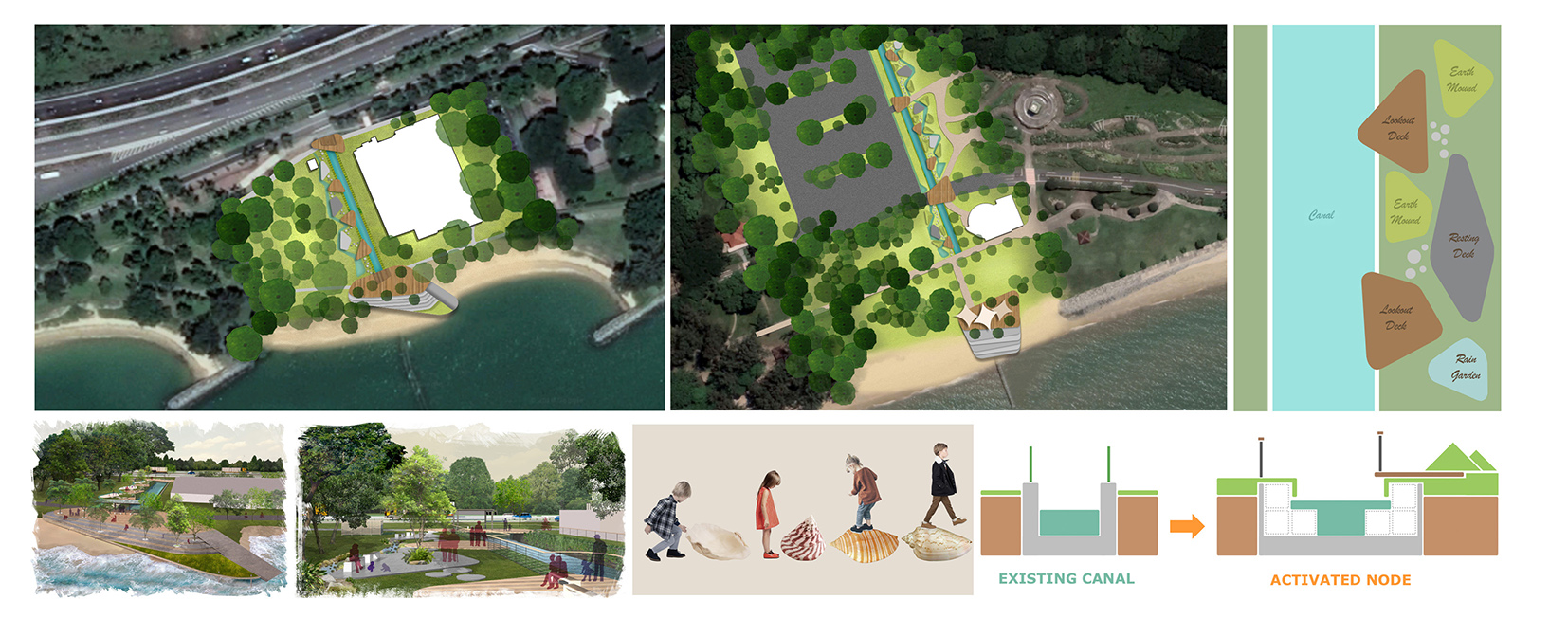
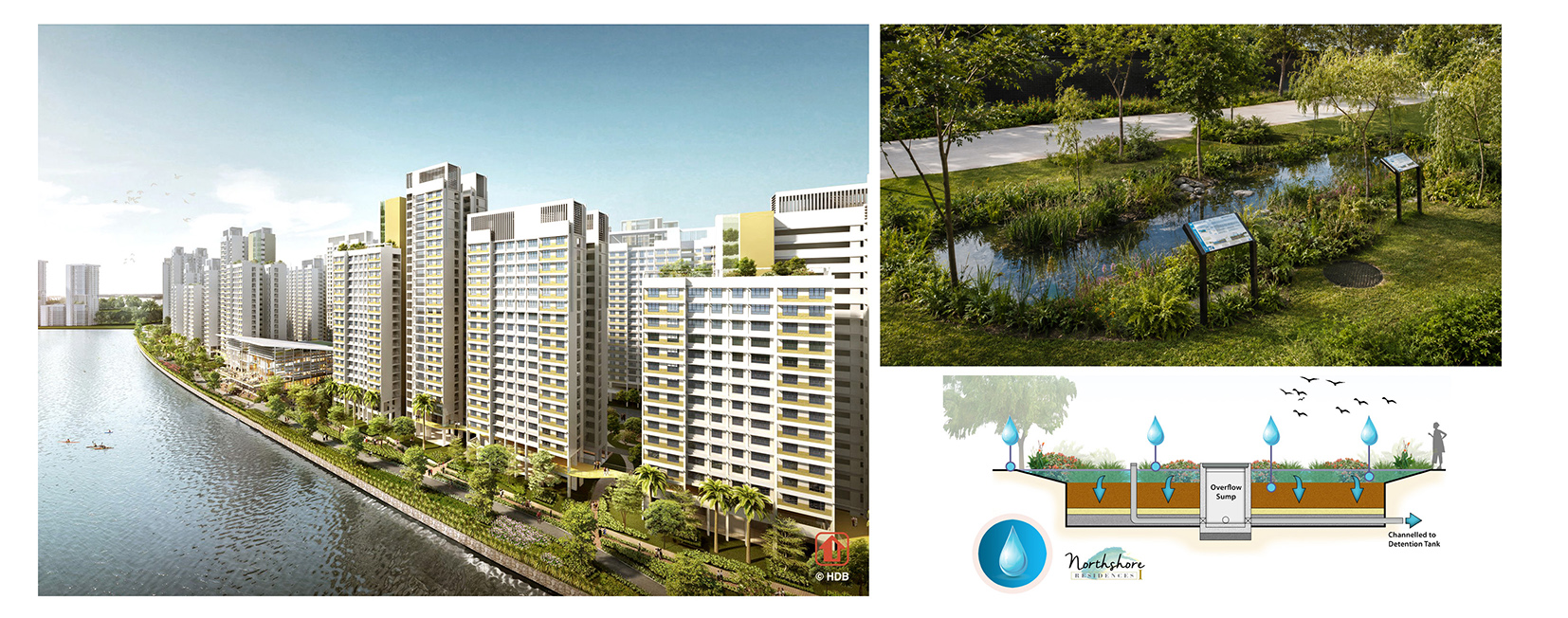
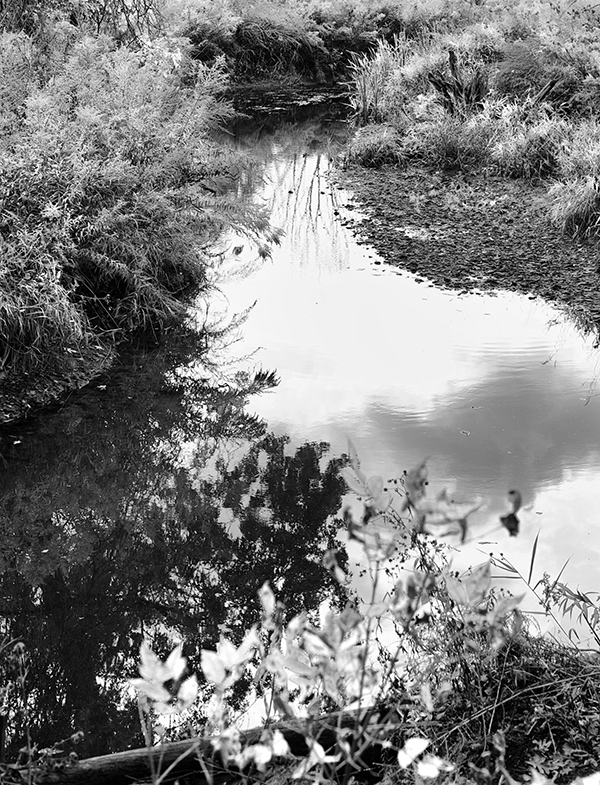
Initiated by Singapore’s National Water Agency (PUB), the ABC Waters programme transforms waterways into integrated ecosystem spaces. The studio builds on this framework to enhance urban biodiversity and strengthen connections between communities and their water systems.
ABC Waters plays a vital role in enhancing the city-state's water resources and promoting ecological sustainability.
Deployment Framework
Conducting site feasibility studies, evaluating urban catchments, and assessing opportunities for neighbourhood integration.
Developing integrated design systems combining rain gardens, bioswales, and functional water-sensitive design elements.
Managing approvals across relevant agencies and overseeing implementation to ensure long-term ecological and technical performance.
05 Contact Information
To coordinate on upcoming projects, site consultations, or institutional tenders, use the communication terminal below or connect with our practice directly at +65 97830544.